Daytime Running Lights: How They Work, Why They Fail, and How to Replace Them
Daytime running lights (DRLs) are the lights at the front of a vehicle that come on automatically with the ignition and make the car visible to other traffic during daylight. On most modern cars they are not separate lamps but LED signatures built into the headlight housing - an eyebrow above the headlamp, a light pipe under it, or the ring itself. When a DRL fails, the fault is almost never the headlight assembly. It is one of three replaceable parts inside the housing: the LED board, the light guide strip, or the module that drives them. Swapping the failed part typically costs $4 to $71. Replacing the whole headlight costs several hundred dollars, and on adaptive or matrix units often into four figures - to fix a fault the assembly itself does not have.
What are daytime running lights on a car?
DRLs are a visibility feature, not an illumination one: they are tuned to be seen by other road users in daylight, not to light the road, and they dim or switch off when the main headlights take over at night. That is also what separates them from fog lamps and position lamps, which sit on separate circuits with their own switches.
In the European Union, DRLs have been mandatory on new passenger cars since 2011, and Canada has required them on new vehicles since 1990. In markets where they are mandated, a dark DRL is not a cosmetic issue - it is a lighting defect that can fail a roadworthiness inspection, and on many cars it also puts a warning on the dash.
The three parts inside a DRL - all separately replaceable
Nearly every DRL signature is built from the same three components, and all three can be bought and replaced on their own:
- The LED board - the circuit board that generates the light. Solder joints crack from years of heat cycles and individual LEDs drop out one at a time. This is the most common failure by a wide margin.
- The light guide strip - the clear acrylic light pipe that spreads the board's output into a clean, even line. It yellows, crazes or cracks with age and UV exposure.
- The DRL module (driver) - the electronics between the car and the board. When the fault is in the electronics rather than the optics - one side dark, flicker that comes and goes with temperature, or a persistent dashboard warning with no visible damage - the module is the part to suspect.
Our DRL light guide strips & LED boards and DRL modules cover BMW, Mercedes-Benz, Audi, Toyota, Lexus, Volkswagen, Volvo and more - every listing states the exact chassis codes and model years it was checked against.
Why daytime running lights fail
Most DRL failures trace back to heat, age or moisture - in that order:
- Heat cycling - a DRL runs every time the car is on. Years of hot-cold cycles crack the solder joints on the LED board; the first symptom is flicker, then dropout, then a dark section.
- Ageing optics - the light guide yellows and crazes with UV exposure, so the line goes dim or blotchy even though the board is fine.
- Electronics - the DRL module fails, usually on one side, sometimes intermittently when cold.
- Moisture - a cracked lens or a failed seal lets water sit on the board and corrode it. This is the one case where the housing itself is the problem.
What each symptom usually means:
| What you see | Likely failed part | What to replace |
|---|---|---|
| One DRL dark, the other normal | LED board - early LED dropout | LED board, or the guide + board kit |
| Flicker that comes and goes, often with temperature | Cracked solder joints, or a weak module | LED board first, then the module |
| Light dim along its whole length | Aged LEDs or a yellowed guide | LED board, or guide and board together |
| Uneven, blotchy or spotted light | Light guide crazing or cracks | Light guide strip |
| Dashboard warning, no visible damage | DRL module | Module |
| Dead after water sat in the housing | Corroded board or wiring | Dry the housing and find the leak first |
A two-minute check before ordering anything: swap the left and right LED boards. If the fault moves with the board, the board is the problem. If it stays on the same side, look at the wiring or the module. Flicker has its own failure pattern, covered in detail in why DRLs flicker and how to fix it.
Repair the part, or replace the whole headlight
Because the three parts are available separately, a dark or flickering DRL on an otherwise intact headlight is a parts-level repair. The assembly is the right buy only when the housing itself is damaged:
- The lens is cracked, holed or badly hazed
- Water has sat inside long enough to corrode the reflector bowl
- Front-end accident damage has distorted the housing or its mounting points
- The DRL signature is physically broken - a snapped guide that took its mounting clips with it
Everything else - a dim line, a dark section, a flicker, a warning on the dash - is a board, a guide or a module. The boundary is explained in more detail in can you replace just the DRL light guide.
Two notes that come up often. First, replacement boards, guides and modules are plug-and-play with the factory connectors and need no coding - coding applies to complete adaptive or matrix headlight assemblies, which is a different repair. Second, a replacement guide restores the original look rather than changing it, because it is manufactured to the original module's dimensions.
How to replace a failed DRL part
The job is the same in principle across brands:
1. Confirm which part failed. Use the swap test above, or send us a photo of the headlamp lit and unlit, and we will tell you which part to order.
2. Match the part to your chassis code. Not by year, make and model alone - the same model can carry different headlight hardware across a generation. Every product page states the chassis codes and the exact model years the fitment was checked against.
3. Swap the part. Headlight out (usually a few Torx bolts and some bumper trim clips), open the housing, unplug the old part, plug in the new one, re-seal. A board or guide typically takes 20 to 60 minutes per side; the module is often reachable without opening the housing at all.
We publish step-by-step teardowns per vehicle - for example the Toyota C-HR, BMW F30, Audi A5, Mercedes-Benz W205 and Honda Accord - or browse all vehicles to find yours. For the full teardown of a guide swap, see how to install a DRL light guide strip.
What it costs
Our DRL light guide strips, LED boards and modules range from $4 to $71, with a median of $12.99 across 92 published parts. Kits that include both the guide strip and the LED board cover 20 brands and 85 model lines.
Wholesale pricing runs in three tiers - 1+, 100+ and 200+ units - down to 70% of list at the top tier. The minimum order is 1 set, samples are supported before any bulk commitment, and stocked parts dispatch within 5 days.
FAQ
Q: What are daytime running lights on a car? A: They are the lights at the front of a vehicle that switch on automatically with the ignition and make the car visible to other traffic during the day. On most modern cars they are LED signatures inside the headlight, built from three parts: a light guide strip, an LED board and a driver module. Q: What does DRL mean? A: DRL stands for Daytime Running Light(s) - the low-intensity front lamps that come on with the ignition. They are a visibility feature, not headlamps, and they are mandatory on new passenger cars in the EU since 2011 and in Canada since 1990. Q: Are daytime running lights the same as headlights? A: No. DRLs make the car visible to other traffic during the day; headlights illuminate the road. On most modern cars the DRL is an LED signature inside the headlight housing, powered by its own board and module. Q: Why is only one DRL not working? A: Because each side usually has its own LED board. A single dark side points at that side's board - or, if the swap test leaves the fault on the same side, at the wiring or the DRL module. Q: Can I drive with a DRL not working? A: In countries where DRLs are mandatory, a dark DRL is a lighting defect that can fail a roadworthiness inspection, and the car may show a headlight warning. The repair is usually a same-day parts swap, so there is rarely a reason to drive on it. Q: How much does it cost to fix a daytime running light? A: A replacement LED board, light guide or module costs $4 to $71 depending on the vehicle. A complete headlight assembly commonly costs several hundred, and more on adaptive or matrix units. Q: Do replacement DRL parts need coding? A: No. Boards, guides and modules are plug-and-play with factory-matched connectors. Coding applies to complete adaptive headlight assemblies, not to the internal parts. Q: How long does the repair take? A: Typically 20 to 60 minutes per side for a board or guide, less for a module on cars where it is externally reachable. The model-specific guides list the tools and steps. Q: What makes a DRL flicker instead of failing outright? A: Usually cracked solder joints on the LED board from heat cycling, sometimes a weak module. Flicker is an early-stage failure - the section normally goes dark eventually. See our guide to flickering DRLs for the diagnosis. Q: Do you sell single sets or only bulk? A: Both. The minimum order is 1 set, wholesale tiers start at 100 units, and sample orders are supported before any bulk commitment.
LumYard, own brand LY, has manufactured automotive lighting parts for over 10 years and develops its own moulds by matching original module dimensions, so parts fit the housing and the factory connector exactly. Every part is quality-checked before dispatch and carries a 1-year warranty. Not sure which part your car needs? Send us the year, make, model and a photo of the headlamp, and we will tell you what fits.
Replacement parts for the fix described above
Fitment-verified DRL light guide strips, LED boards and modules — factory-direct, plug & play, 1-year warranty.
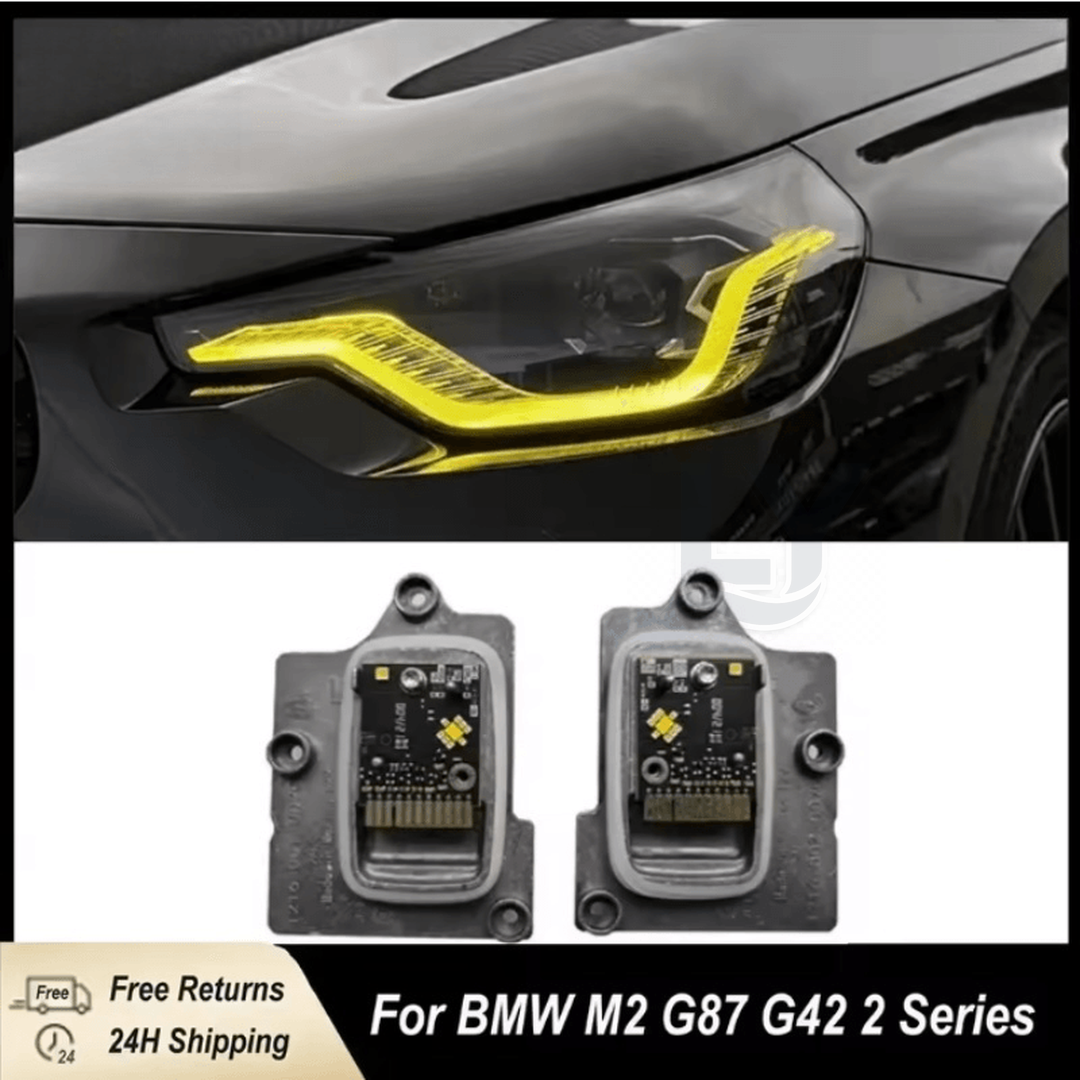
BMW M2 G87 DRL Light Guide Strip & LED Board (2022-2024)
View part →
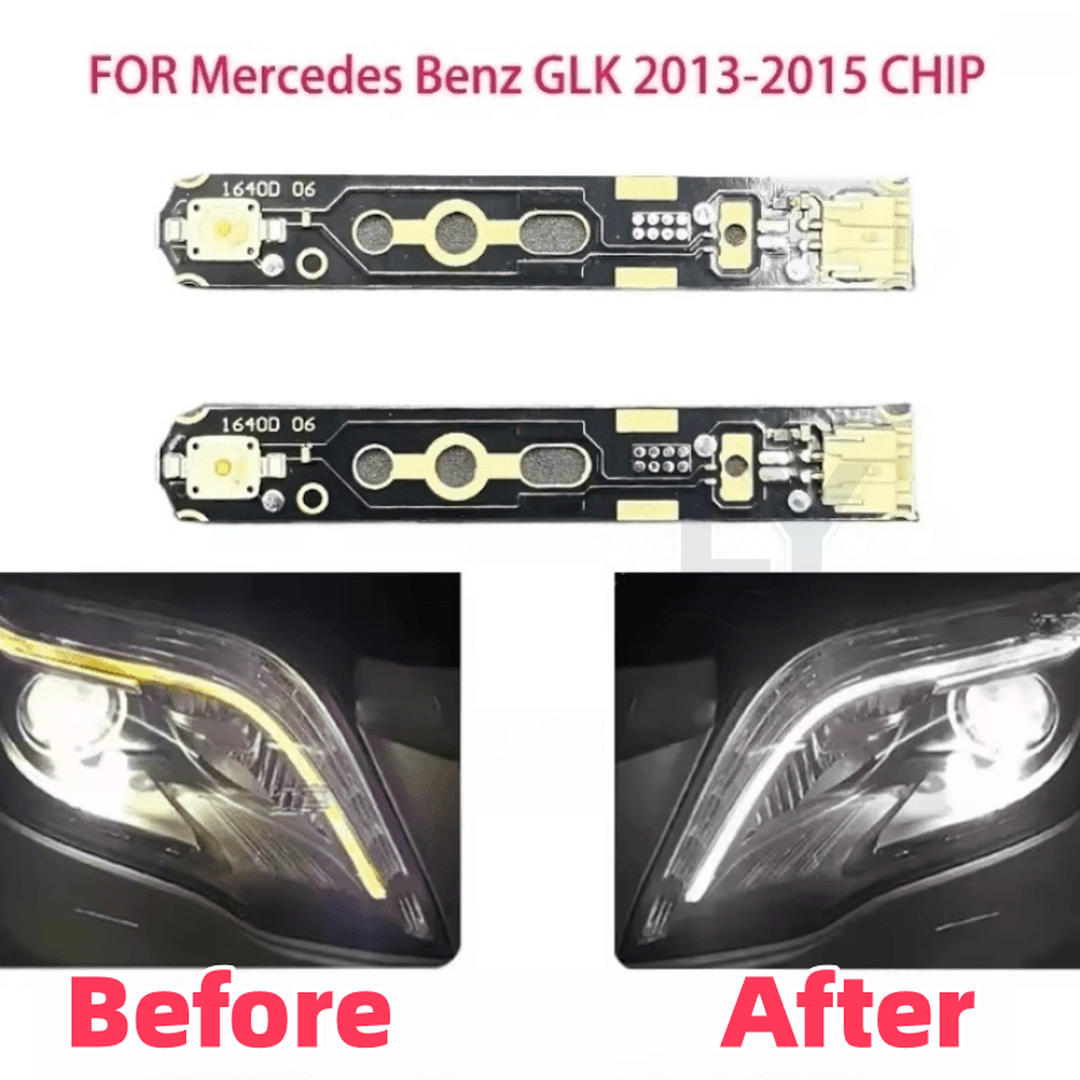
Mercedes-Benz GLK-Class X204 DRL LED Board (2013-2015)
View part →
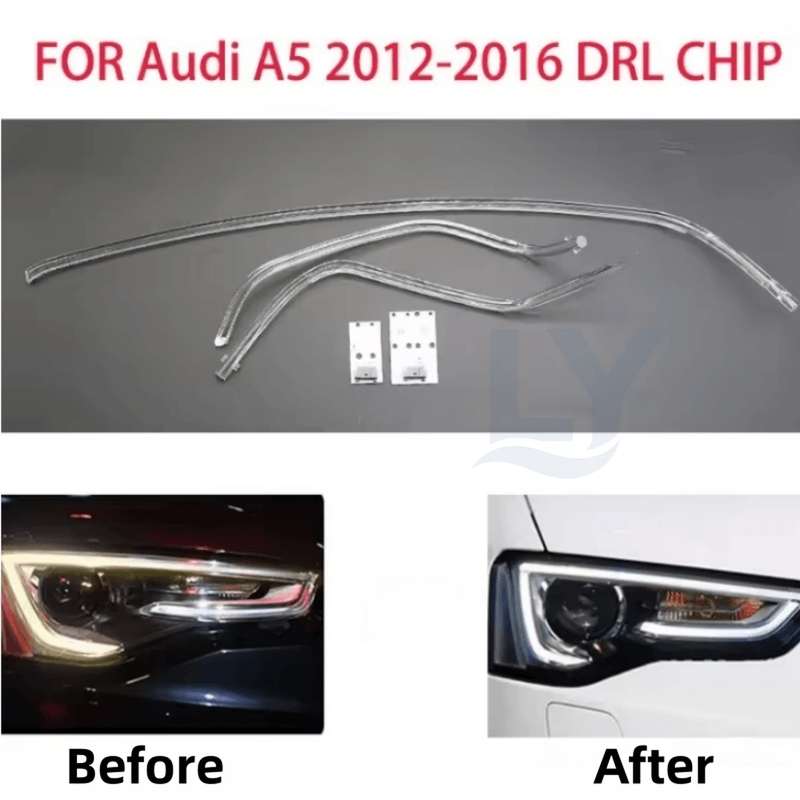
Audi A5 DRL Light Guide Strip & LED Board (2012-2016)
View part →
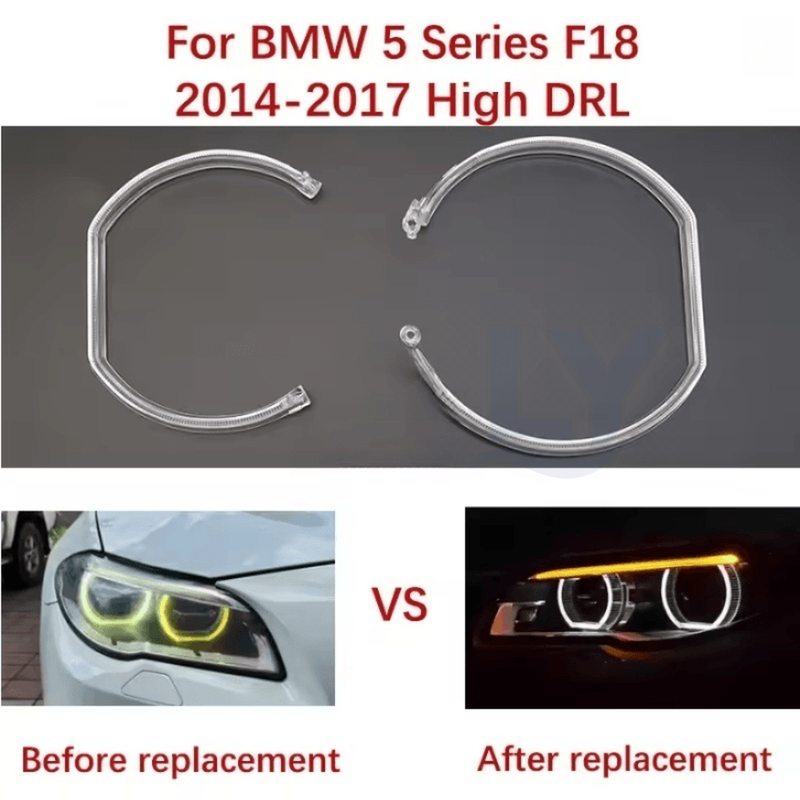
BMW 5 Series F10 DRL Light Guide Strip (2014-2017)
View part →
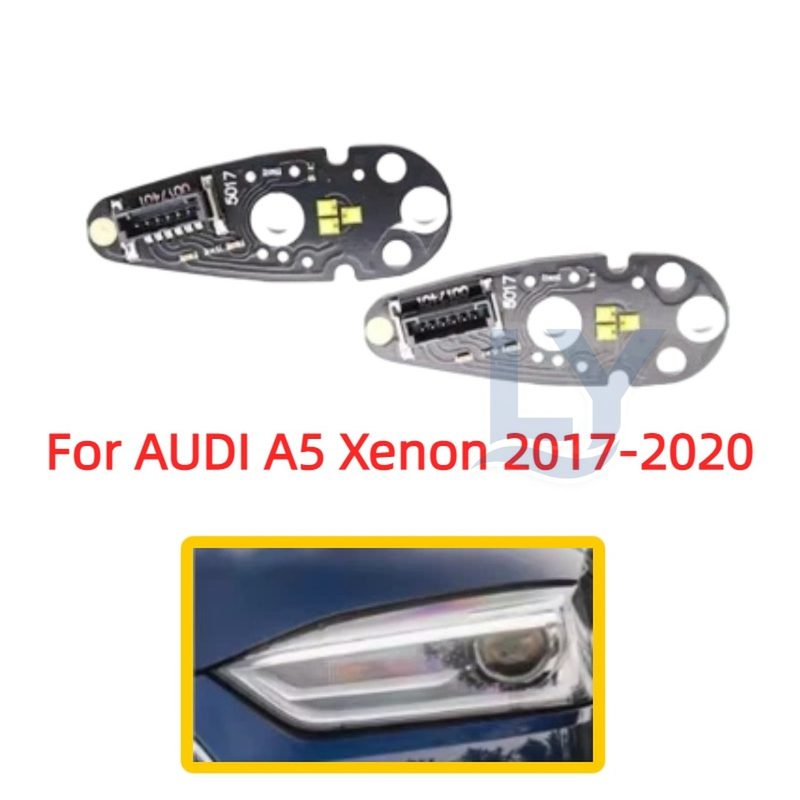
Audi A5 Xenon DRL LED Board (2017-2020)
View part →
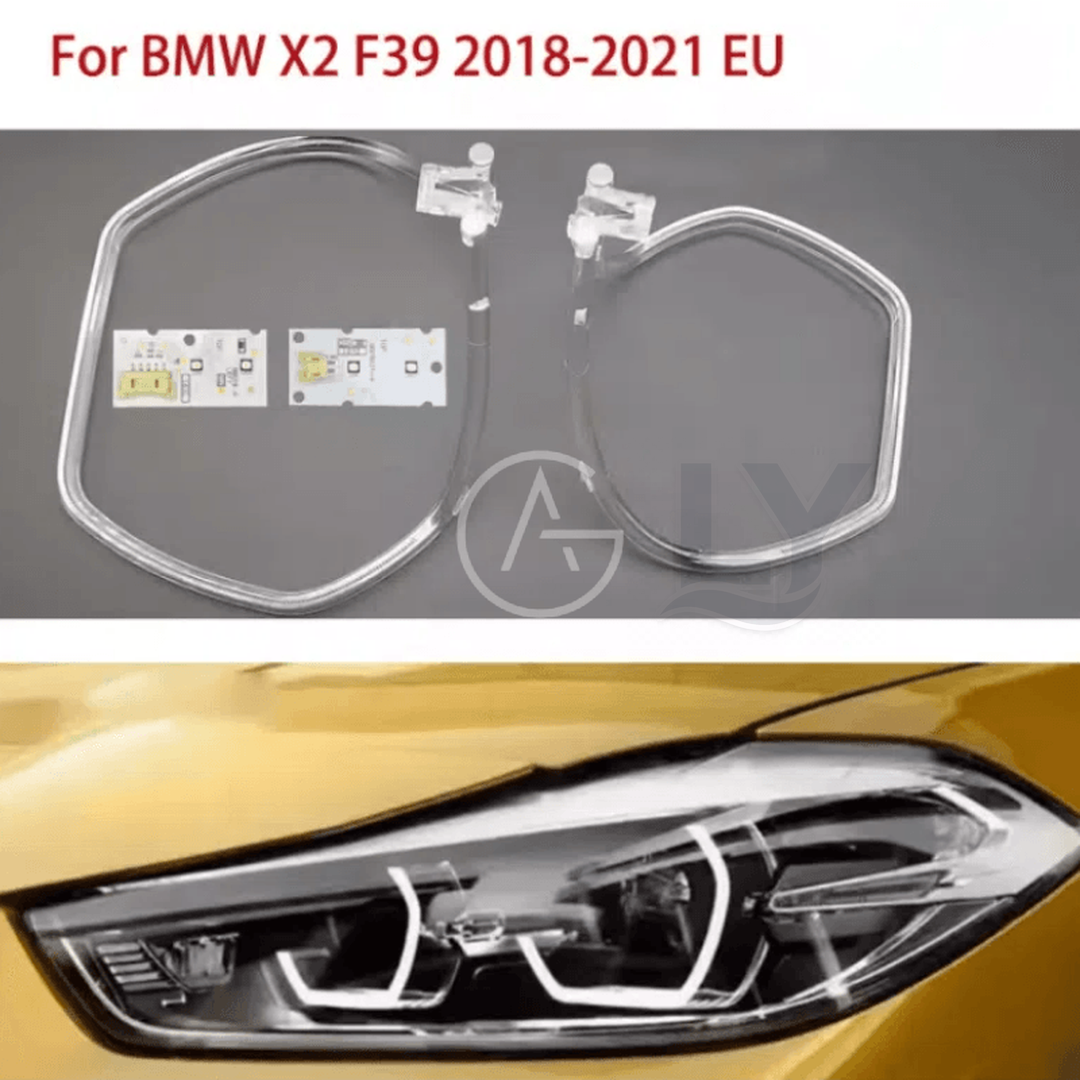
BMW X2 F39 DRL Light Guide Strip & LED Board (2018-2021)
View part →
Find parts that fit your vehicle
Use our fitment checker or browse by vehicle to find verified parts for your exact year, make and model.
Not sure which part fits?
Send us the year, make and model — or a photo of the headlight — and we'll confirm the right part before you order. Replies within 24 hours, samples supported.
Related guides
All 144 guides →- 2026-09-13 · 5 min readLexus RX 350 DRL Fix: Why Your 2022-2025 Daytime Running Lights Fail and How to Replace ThemThe 2022-2025 Lexus RX 350 often suffers from DRL failure due to LED board or light guide issues; replacing the DRL LED board restores function without replacing the entire headlight.
- 2026-09-11 · 5 min read2016-2018 Audi A6 C7 DRL Fix: Why Your Daytime Running Lights Fail and How to Replace the Light Guide & LED BoardIf your 2016-2018 Audi A6 C7 has a dim, yellow, or dead daytime running light, the fix is usually the DRL light guide strip and LED board. Here's how to diagnose and replace it.
- 2026-09-17 · 3 min readDRL Flicker: Symptoms, Causes, and How to Fix ItIf your daytime running lights are flickering, it's usually a sign of a failing LED driver, loose connection, or voltage issue. Here's how to diagnose and fix it.
- 2026-08-30 · 6 min readHow to Install a DRL LED Light Guide Strip (Step-by-Step)Installing a flexible DRL light guide strip takes about an hour. Here is the complete step-by-step process, plus the wiring and sealing tips that prevent problems later.
- 2026-08-25 · 4 min readHow to Choose a DRL LED Board Replacement (2025 Guide)A failing LED board is the most common cause of flickering or dead DRLs. Here is exactly how to pick a replacement that fits your vehicle.