How to Pay for Imported Car Lights: T/T, LC, D/P Explained for First-Time Buyers
TL;DR
Choosing the right payment method is critical when importing car lights. T/T (telegraphic transfer) is most common, with a 30% deposit and 70% balance before shipment. LC (letter of credit) offers bank security but is complex and costly. D/P (documents against payment) gives some control but requires trust. Always verify supplier credentials, ask for samples, and never pay the full amount upfront.
Payment Methods at a Glance: T/T, LC, D/P
T/T (wire transfer) is straightforward: you send a deposit (usually 30%) to start production, then pay the balance before shipment. LC is a bank-guaranteed payment where your bank promises to pay upon presentation of shipping documents – safer but involves bank fees and strict compliance. D/P means the exporter ships goods and sends documents through banks; you pay to release the documents, giving you control over the goods but with risk if the supplier is dishonest. For most first-time importers, T/T is recommended due to its simplicity, but always use a secure payment channel.
Deposit vs. Balance: How to Structure Payments
A typical T/T arrangement is 30% deposit, 70% balance before shipment. This protects both parties: the deposit covers material costs, and the balance is paid only when the goods are ready, and you've received photos or inspection reports. Avoid suppliers who demand 50% or more upfront – it's a red flag. For LC, the full amount is covered by the bank, but you may need to pay 100% at sight. In D/P, payment is due at sight of documents, which usually happens after shipment, so you lose leverage if goods are defective.
Currency, Fees, and Hidden Costs
Payments are usually in USD or EUR. Banks charge transfer fees (typically $20–$50 per wire), and intermediary banks may deduct additional charges. When comparing quotes, ask suppliers for a total cost including all bank charges. Also, check the exchange rate – if your currency fluctuates, consider hedging or agreeing on a fixed rate. Some suppliers offer a discount for payments via T/T in full, which can reduce costs. Always confirm the total amount in your currency to avoid surprises.
How to Avoid Payment Scams When Importing
Scams are common in cross-border trade. Never pay the full amount upfront – always use a deposit structure. Verify the supplier's business license, physical address, and years in business. Ask for references and check their website and social media. For example, our company, with 10+ years of experience and our own brand 'LY', offers factory-direct pricing; you can verify our legitimacy through our website and customer testimonials. Also, beware of suppliers who ask for payment to a personal account – always pay to a company account. If possible, use a third-party inspection service before balance payment.
Choosing a Reliable Supplier for Your Bulk Order
Before placing a bulk order, ask about MOQ (minimum order quantity) and OEM/ODM capabilities. A reliable supplier should provide samples for testing – for instance, we support sample testing before bulk orders, and typical sample costs are around $50–$100, refundable with bulk orders. Also, clarify lead times: our average production lead time is 15–25 days for standard items. When comparing suppliers, don't just look at price – consider quality, communication, and after-sales support. A good supplier will be transparent about their processes and happy to answer technical questions.
FAQ
Q: What is the safest payment method for a first-time importer?\nA: LC is the safest because it involves banks on both sides, but it's complex and costly. For smaller orders, T/T with a 30% deposit and balance after inspection is common and practical.
Q: Can I get certifications for the products?\nA: Currently, we do not provide certification documents. However, we support sample testing before a bulk order to ensure quality and fitment.
Q: What is your MOQ and lead time?\nA: Our MOQ is typically 10 sets for standard items, and lead time is 15–25 days after deposit. For OEM/ODM, MOQ may be higher.
Q: How do I know if a supplier is legitimate?\nA: Check their business license, ask for customer references, and verify their physical address. A reliable supplier will be transparent and offer samples. Avoid deals that seem too good to be true.
Ready to Start?
Now that you understand the payment methods, the next step is to find a trustworthy supplier. We are a manufacturer with over 10 years of experience, offering factory-direct pricing on our own brand 'LY'. For example, our Audi A5 Xenon DRL Light Guide Strip & LED Board (2017-2020) is a popular replacement part. For bulk purchases, visit our wholesale & bulk pricing page to get started.
Standards & further reading
Reference material for the standards and technology that govern vehicle lighting equipment:
- FMVSS No. 108 - Lamps, reflective devices, and associated equipment - the US federal standard governing vehicle lighting equipment - SAE International standards - automotive component and lighting standards
Replacement parts for the fix described above
Fitment-verified DRL light guide strips, LED boards and modules — factory-direct, plug & play, 1-year warranty.
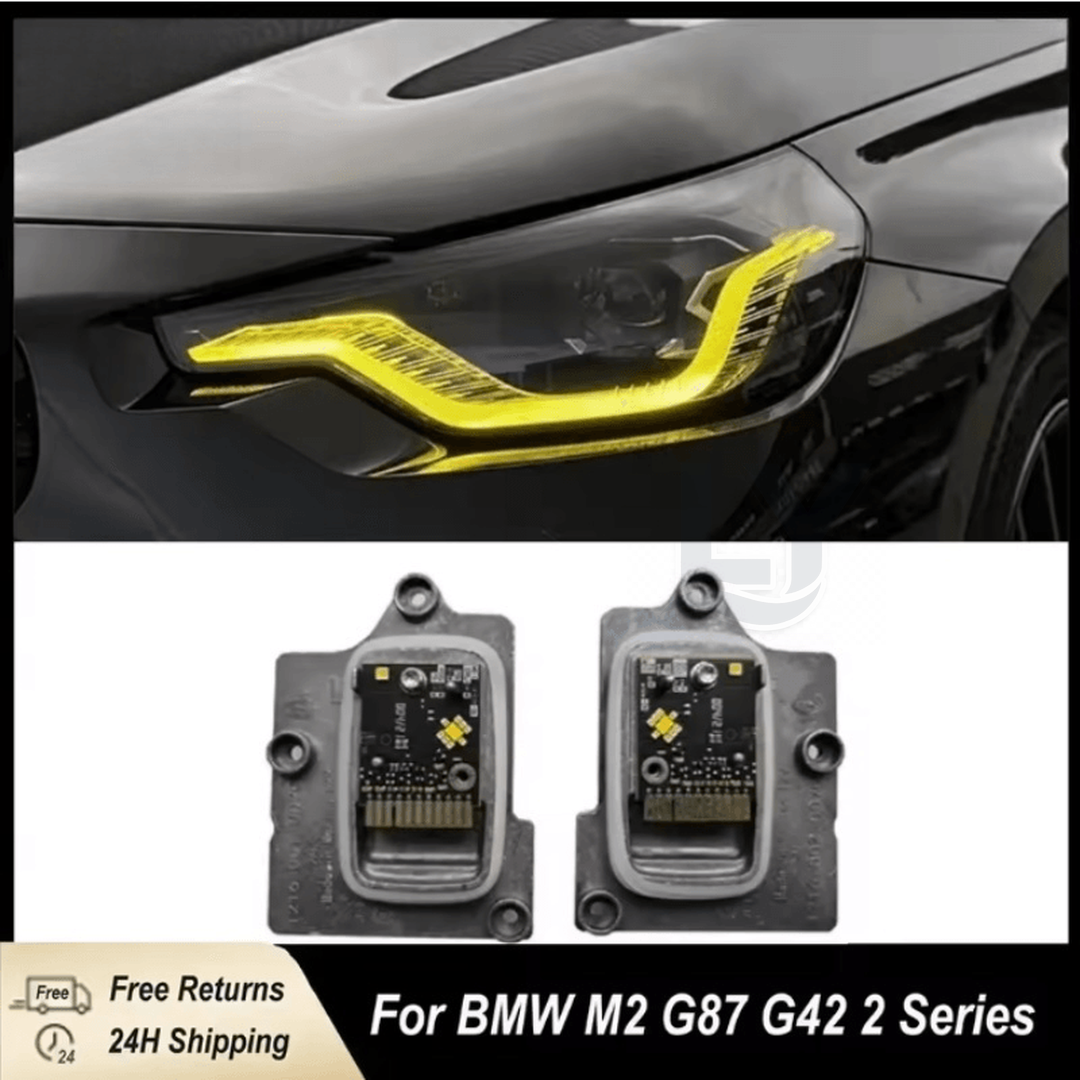
BMW M2 G87 DRL Light Guide Strip & LED Board (2022-2024)
View part →
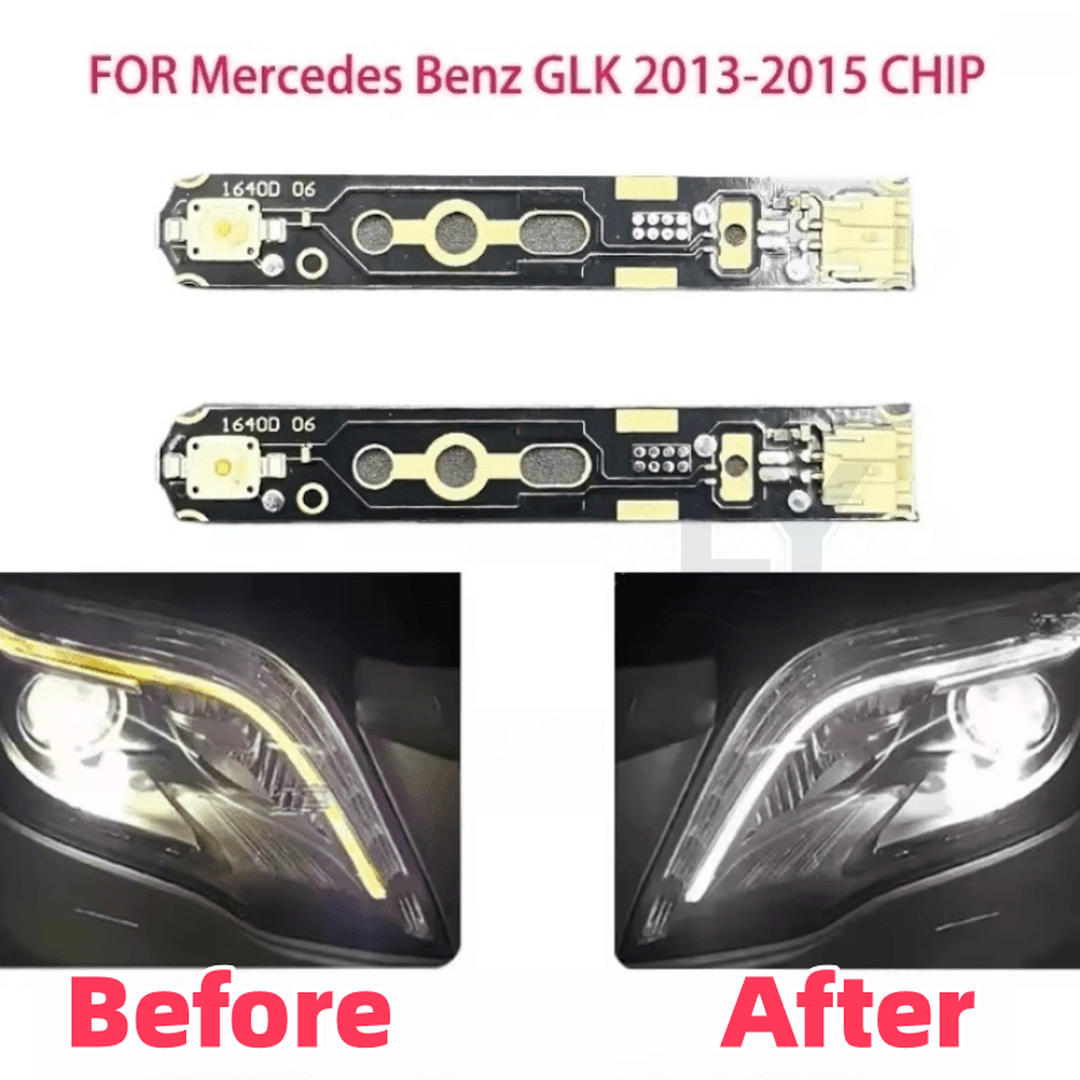
Mercedes-Benz GLK-Class X204 DRL LED Board (2013-2015)
View part →
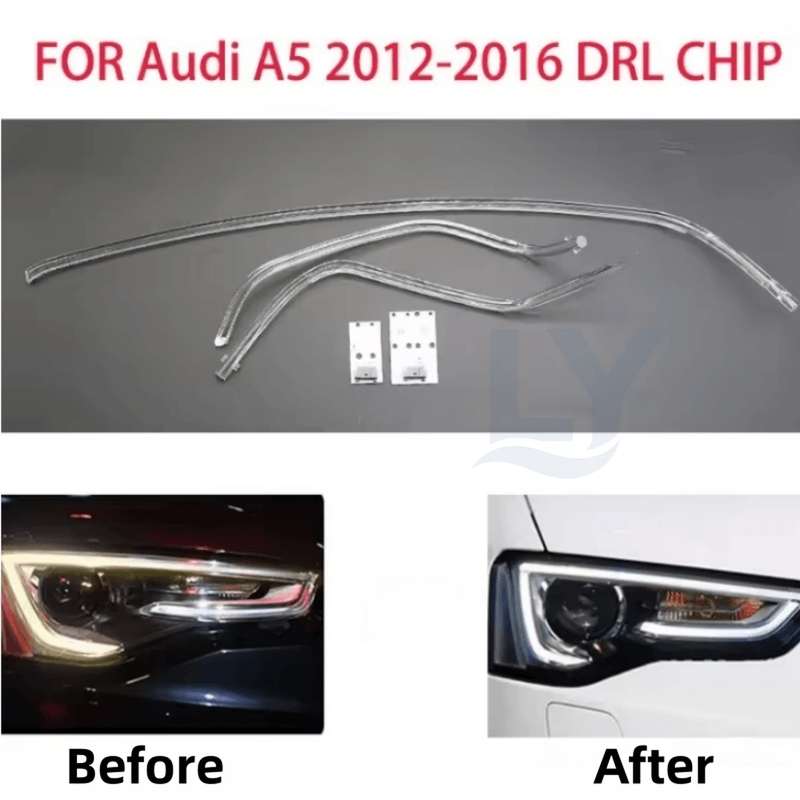
Audi A5 DRL Light Guide Strip & LED Board (2012-2016)
View part →
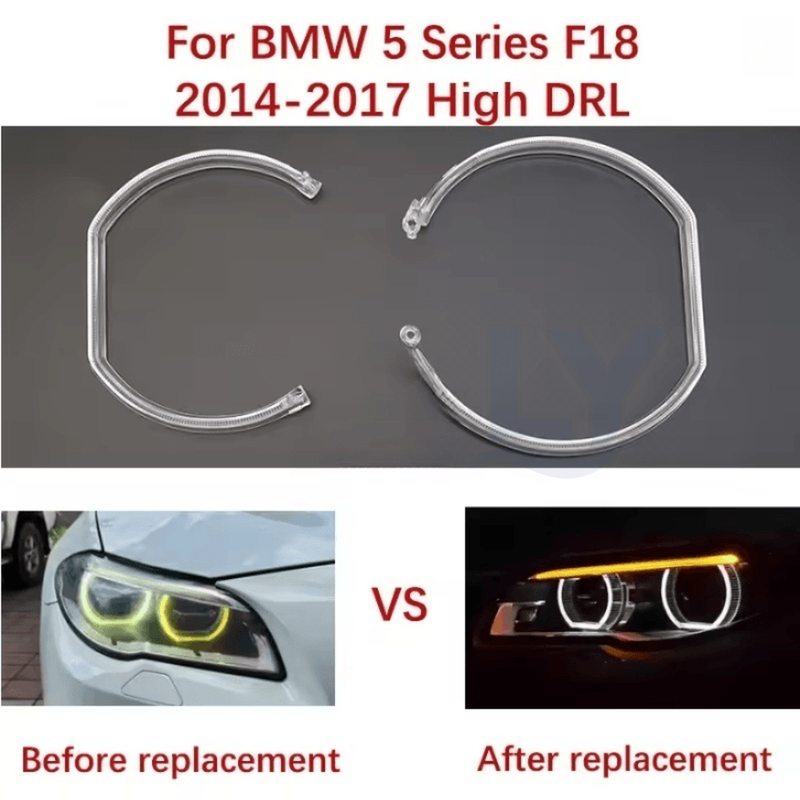
BMW 5 Series F10 DRL Light Guide Strip (2014-2017)
View part →
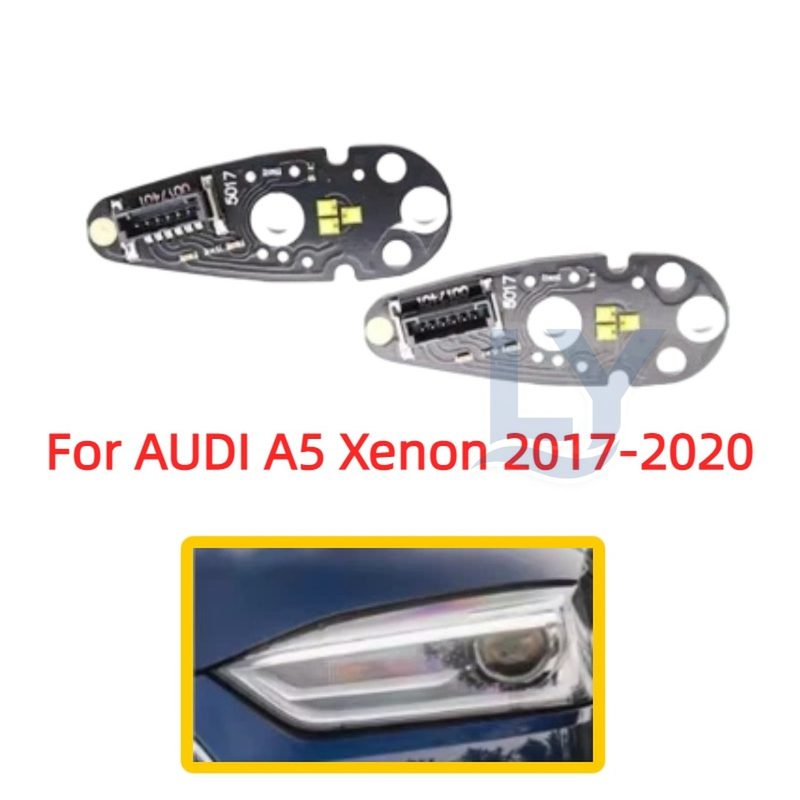
Audi A5 Xenon DRL LED Board (2017-2020)
View part →
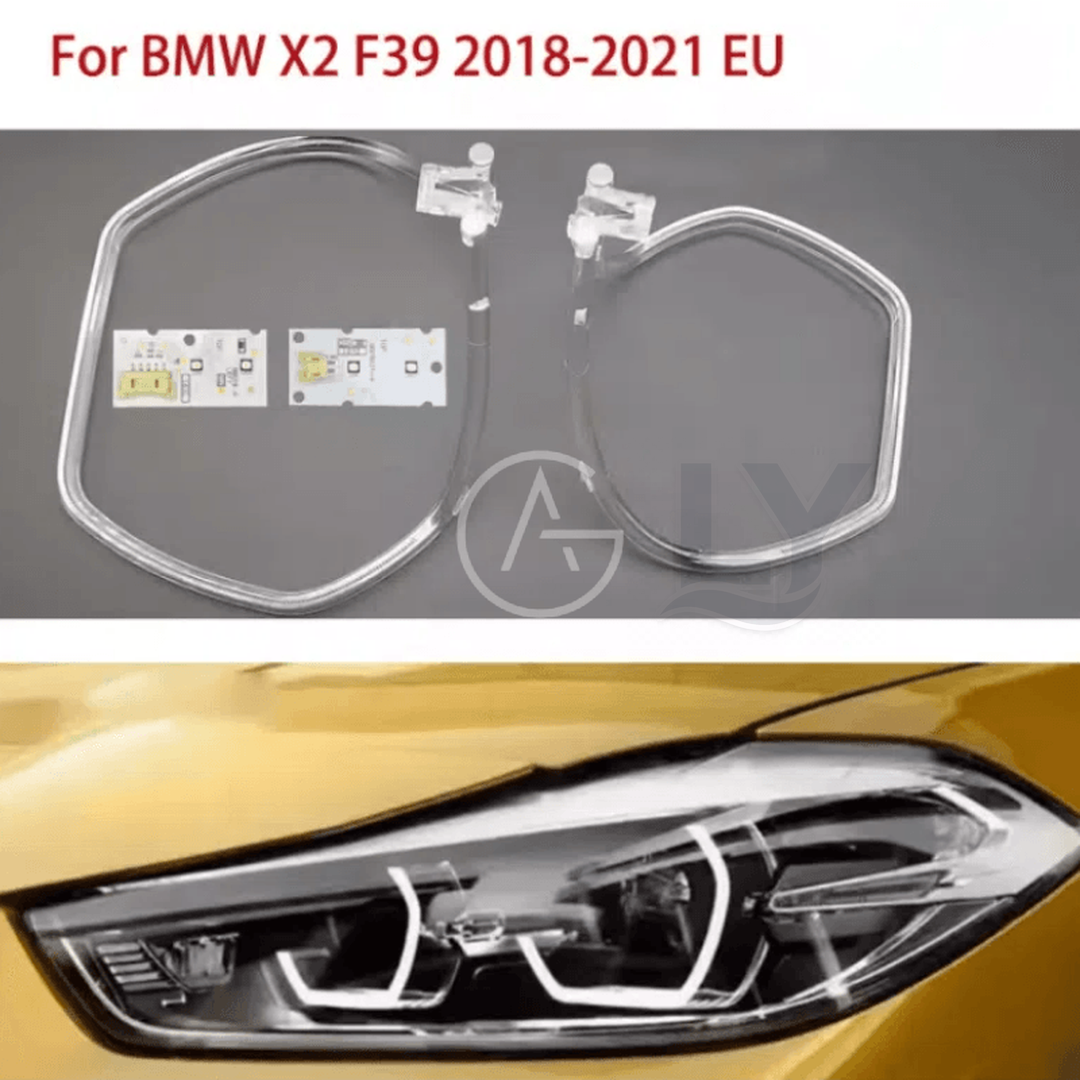
BMW X2 F39 DRL Light Guide Strip & LED Board (2018-2021)
View part →
Find parts that fit your vehicle
Use our fitment checker or browse by vehicle to find verified parts for your exact year, make and model.
Not sure which part fits?
Send us the year, make and model — or a photo of the headlight — and we'll confirm the right part before you order. Replies within 24 hours, samples supported.
Related guides
All 144 guides →- 2026-09-04 · 6 min readFirst-Time Importer's Guide to Payment & Lead Times: How to Get It RightLearn the essentials of payment terms and lead times when importing automotive lighting parts, including tips to avoid common mistakes and ensure a smooth transaction.
- 2026-09-01 · 6 min readMOQ Explained: How to Navigate Bulk Buying of Auto Lighting PartsUnderstand what MOQs mean for auto lighting parts, how they are set, and how to negotiate or start small with a trial order.
- 2026-10-09 · 6 min readHeadlight Sealants and Gaskets: A Buyer's Guide to Sourcing for Repair and RetrofitA practical sourcing guide for workshops and parts dealers covering butyl sealants, rubber gaskets, and vent patches, with quality criteria and bulk purchasing considerations.
- 2026-10-07 · 6 min readHeadlight Projector Lenses: Wholesale Sourcing and Quality Checks for BuyersA practical guide for wholesale buyers on selecting projector lenses, verifying quality, and sourcing reliably from a factory-direct manufacturer.
- 2026-10-06 · 6 min readLED Headlight Driver Modules: A Wholesale Buyer's Guide to Sourcing for ResaleA practical guide for wholesale buyers on sourcing LED headlight driver modules, covering differences from DRL modules, common failure modes, compatibility checks, and factory-direct sourcing with LY.